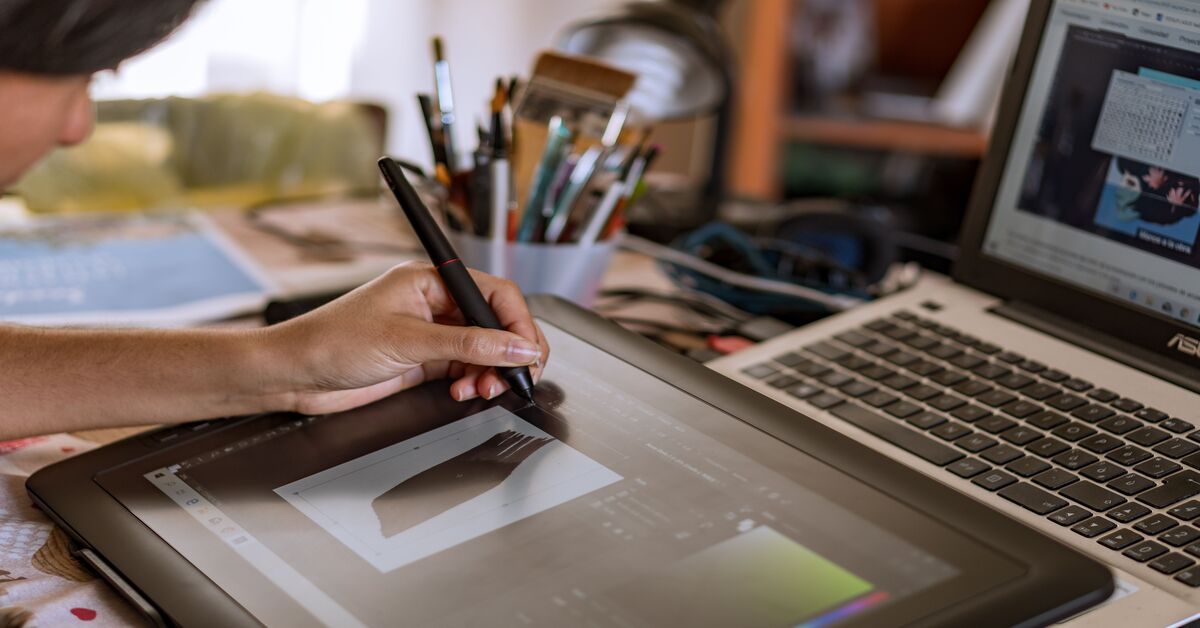
Digital art has transformed the world of creativity. What once required brushes, canvases, darkrooms, or sculpting tools can now be achieved through a stylus, tablet, or software program. Artists today are no longer limited by physical materials, digital platforms allow them to explore ideas faster, experiment freely, and blend traditional and modern methods in ways that were impossible a generation ago.
Digital art techniques have become essential in modern creative industries such as animation, graphic design, illustration, advertising, gaming, architecture, and cinema. But beyond professional use, these techniques empower everyday creators to express their imagination without barriers. Whether you’re a beginner experimenting with drawing apps or an experienced designer developing complex artwork, digital tools open creative doors that traditional mediums cannot always match.
This guide explains the most popular digital art techniques and explores how they enhance creativity, improve workflow, and inspire limitless experimentation.
Understanding What Digital Art Techniques Actually Are
Digital art techniques refer to the methods, tools, and processes used to create artwork using digital devices such as tablets, computers, drawing pads, and creative software. Instead of traditional brushes or pencils, digital artists use styluses, virtual brushes, 3D modeling tools, and graphic design programs.
These techniques range from simple sketching and coloring to complex animation, 3D rendering, layering, compositing, and digital painting. What makes digital art unique is its flexibility, artists can undo mistakes instantly, alter colors with a click, rework entire compositions, and combine different techniques seamlessly.
Digital art is not limited to one style. It includes:
- Digital illustration
- Graphic design
- Animation
- 3D modeling
- Digital painting
- Photo manipulation
- Concept art
- Motion graphics
- Pixel art
Each of these uses different digital techniques that enhance creativity in distinct ways.
1. Digital Painting: A Modern Evolution of Traditional Art
Digital painting is one of the most widely recognized digital art techniques. Using software like Procreate, Adobe Photoshop, Krita, or Corel Painter, artists create paintings that mimic watercolor, oil, acrylic, charcoal, and even airbrushing.
What Makes Digital Painting Powerful?
- Layers allow artists to separate parts of a painting (background, shadows, highlights, etc.)
- Brushes can be customized infinitely
- Colors can be blended without physical mess
- Mistakes are easy to reverse
- Textures can be added instantly
Digital painting gives artists the freedom to experiment with styles without wasting materials. This encourages risk-taking and playful creativity, which often leads to breakthrough ideas.
2. Vector Art: Clean, Scalable Creativity
Vector art uses mathematical paths instead of pixels, making designs crisp and scalable without losing quality. Programs like Adobe Illustrator, Affinity Designer, or Inkscape are commonly used.
Common Uses
- Logos
- Posters
- Infographics
- Brand design
- Minimalist illustrations
Why Vector Techniques Enhance Creativity
Vector art lets designers focus on shape, form, and composition. Because lines can be adjusted endlessly and colors shifted instantly, creators can iterate rapidly. This promotes a design-first mindset where creative possibilities expand with each version.
3. Photo Manipulation and Digital Compositing
Photo manipulation merges photography with digital editing to create surreal, artistic, or hyper-realistic images. Artists use software like Photoshop, Lightroom, and GIMP to transform ordinary photos into imaginative scenes.
What This Technique Allows
- Blending multiple images into one seamless piece
- Changing environments and lighting
- Creating illusions and fantasy elements
- Retouching photos for clarity and mood
- Adding texture, atmosphere, and cinematic effects
This technique enhances creativity by removing the limitations of reality. Artists can craft worlds, dreamscapes, and impossible visuals with complete freedom.
4. 3D Modeling and Sculpting
3D modeling tools such as Blender, Z Brush, Maya, and Cinema 4D allow artists to create three-dimensional characters, environments, objects, and animations.
How 3D Techniques Expand Creativity
- Artists sculpt digital clay to create lifelike forms
- Lighting and shadows can be adjusted endlessly
- Materials like metal, glass, or skin can be simulated
- Animations bring models to life
- Entire worlds can be built from scratch
3D art bridges imagination and reality. It allows creators to visualize ideas that would be impossible, or extremely expensive, to build physically.
5. Animation Techniques: Movement That Tells a Story
Digital animation comes in many forms:
- 2D animation
- 3D animation
- Motion graphics
- Stop-motion with digital assistance
Animation software like After Effects, Toon Boom Harmony, Blender, or Adobe Animate lets artists create movement frame by frame or through motion algorithms.
Creative Advantages
- Characters express emotion
- Worlds come alive
- Abstract ideas become visual
- Movement enhances storytelling
- Complex messages become easier to understand
Animation requires imagination, timing, and emotion, digital tools simply make the process faster and more flexible.
6. Layering and Masking: The Foundation of Modern Digital Art
Layering is one of the most important digital art techniques. Unlike traditional art, where one mistake can ruin a piece, layers allow artists to separate every part of the artwork into editable sections.
Masking allows precise control over visibility.
Why These Techniques Boost Creativity
- Artists can try bold ideas without fear
- Elements can be adjusted independently
- Color changes don’t affect the entire piece
- Complex compositions remain organized
Layering gives artists the confidence to experiment more freely, and experimentation is essential for creative growth.
7. Texture Creation and Digital Brushes
Modern digital art programs offer thousands of customizable brushes that simulate:
- Watercolor
- Oil paint
- Chalk
- Charcoal
- Spray paint
- Ink
- Pencil shading
Artists can also create or import unique textures.
Why This Matters
Traditional artists must fully commit to a medium. Digital artists can blend multiple textures to create unique hybrid styles. This elevates creativity and encourages exploration of techniques that would be physically incompatible.
8. Color Adjustments and Digital Effects
Digital art allows artists to adjust hue, saturation, brightness, contrast, and color balance instantly. They can apply effects like:
- Blur
- Glow
- Grain
- Lighting overlays
- Gradient maps
- Atmospheric effects
How This Enhances Creativity
Artists can transform the mood of an artwork with a single tool. This speeds up the creative process and encourages experimentation with emotional tone, lighting style, and visual storytelling.
9. Sketching and Concept Art Techniques
Concept art is the foundation of games, films, and animation. Digital sketching tools allow artists to brainstorm ideas quickly and refine them without starting over.
Creative Advantages
- Instant adjustments
- Rapid iteration
- Layer-based sketching
- Easy annotation
- Faster workflow
This technique helps creative professionals explore more ideas in less time, leading to better final results.
10. Pixel Art Techniques: Retro Creativity With Modern Tools
Pixel art is inspired by early video game graphics but has become a modern digital art form of its own. This technique uses small, square pixels to create imagery.
Why Pixel Art Inspires Creativity
- Forces simplicity
- Encourages inventive design
- Requires attention to detail
- Blends nostalgia with modern digital tools
Pixel art proves that creativity doesn’t require high-end effects, it thrives in limitations.
How Digital Art Techniques Enhance Creativity
Digital techniques don’t replace creativity, they amplify it. Here’s how:
1. Unlimited Room for Mistakes and Exploration
The undo button alone removes fear from the creative process. Artists can try anything, take risks, and experiment freely without worrying about ruining a piece.
2. Faster Workflow = More Ideas Explored
Digital tools speed up sketching, coloring, editing, and refining. This means artists can create several iterations in the time it would take to complete one traditional piece.
Faster workflow = more creative exploration.
3. Mixing Traditional and Modern Techniques
Digital platforms allow artists to mix classical painting methods with futuristic tools. This hybrid approach leads to completely new artistic styles.
4. Access to Infinite Tools and Resources
Digital art offers:
- Thousands of brushes
- Stock textures
- Online tutorials
- Reference libraries
- Color generators
- Animation rigs
- 3D models
Artists no longer work in isolation, they work with an entire digital ecosystem that fuels creativity.
5. Collaboration Across the World
Cloud software allows artists to collaborate instantly across continents. This encourages idea-sharing and collective creativity.
6. Removing Physical Limitations
Traditional mediums require space, materials, and long drying times. Digital art removes these barriers, allowing creativity anytime, anywhere.
7. Freedom to Create Without Expense
Traditional art materials can be costly, canvas, paints, brushes, paper, and physical tools add up quickly. Digital art lowers the financial barrier, allowing more people to create without limits.
Final Thoughts
Digital art techniques have revolutionized creative expression. They offer a flexible, limitless environment where artists can explore new ideas, blend traditional and modern styles, and push the boundaries of imagination. By removing the limitations of physical materials and introducing powerful tools for experimentation, digital art empowers both beginners and professional creators to bring their visions to life with precision, depth, and freedom.
Whether you’re painting digitally, designing graphics, animating characters, sculpting in 3D, or exploring photo manipulation, digital art techniques open endless creative possibilities. The future of art is not just digital, it is imaginative, hybrid, accessible, and more expressive than ever before.