
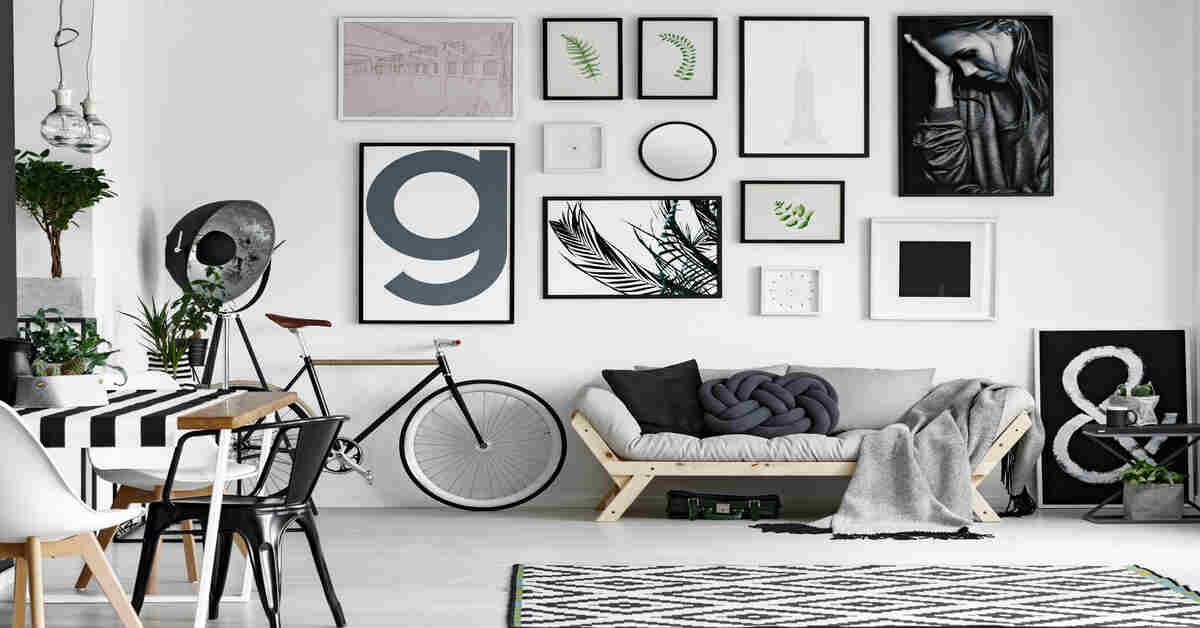
Few design features transform a home as beautifully as a gallery wall. It is one of the easiest, and most personal, ways to turn a blank wall into a meaningful, creative, and stylish focal point. Whether you want a modern minimalist look, a bold artistic installation, or a sentimental display filled with family memories, gallery walls offer endless possibilities.
Creating a gallery wall isn’t just about hanging pictures. It’s about telling a story, curating your style, and shaping the mood of a room. With the right layout, thoughtful frame choices, and well-balanced compositions, any wall can become an artistic masterpiece.
This guide explores the best gallery wall ideas and practical steps to help you design stunning wall art displays that feel intentional, cohesive, and timeless.
Why Gallery Walls Are So Popular in Modern Interior Design
The gallery wall trend has grown rapidly because it makes home décor feel personal. Instead of relying solely on furniture or paint, gallery walls bring emotional warmth and visual depth to any space. People love them because they:
- Highlight personality and taste
- Fill large, empty walls without major renovations
- Allow mixing art, photography, and memories
- Work in homes of all sizes and styles
- Can evolve over time
Modern homes, especially those with open floor plans and minimalist architecture, benefit greatly from the character that gallery walls add. They create structure in rooms that might otherwise feel plain or cold.
Choosing the Right Style for Your Gallery Wall
Before hanging anything, it’s important to choose a style direction. The design you select will guide frame choices, art selection, spacing, and color palettes.
Here are some of the most popular gallery wall styles:
1. Minimalist and Scandinavian-Inspired Gallery Walls
Minimalist gallery walls use clean lines, simple frames, and mostly monochromatic art. They’re perfect for contemporary or Scandinavian-inspired homes that focus on calm, airy aesthetics.
Key Features
- White or black frames
- Neutral color palette
- Simple sketches, photographs, or abstract prints
- Ample spacing between frames
This style feels elegant, fresh, and effortlessly modern.
2. Eclectic Mix-and-Match Displays
The eclectic gallery wall embraces variety. It combines different frame styles, colors, textures, and art forms while still maintaining overall harmony.
Common Elements
- Vintage frames mixed with modern ones
- Bold colors and artistic prints
- Travel photos, posters, illustrations
- Non-linear layout with soft edges
This look is perfect for creative personalities who love vibrant, expressive spaces.
3. Symmetrical Grid Gallery Walls
A symmetrical layout offers structure and balance. The grid format uses identical frames arranged in orderly rows and columns.
Why It Works
- Creates a clean, gallery-like aesthetic
- Ideal for offices, hallways, or dining rooms
- Works beautifully with black-and-white photography
It’s especially great if you want a polished, professional vibe.
4. Organic and Free-Flowing Arrangements
This layout has no strict structure. It grows naturally and follows soft curves rather than straight lines.
Best Features
- Asymmetrical shape
- Frames of different sizes
- A layered, evolving composition
This style pairs well with boho, coastal, or relaxed modern interiors.
5. Themed Gallery Walls
Sometimes the strongest design idea comes from a single theme. When all pieces share a common subject or style, the gallery wall becomes a cohesive visual story.
Popular Themes
- Botanical prints
- Architecture and cityscapes
- Fashion illustrations
- Typography and quotes
- Travel memories
- Ocean or nature-inspired art
A themed gallery wall works beautifully in bedrooms, hallways, and living rooms.
6. Mixed Media Gallery Walls
Modern homes increasingly incorporate objects into gallery walls. These may include mirrors, baskets, plates, small sculptures, or floating shelves.
Benefits
- Adds depth and texture
- Breaks up visual monotony
- Creates a dynamic display
Perfect for homeowners who love art and decorative objects.
Selecting Art for Your Gallery Wall
The art you choose determines the entire tone of your display. You can mix personal items with prints, photographs, or hand-drawn artwork. What matters most is emotional connection and cohesion, not cost or formality.
Sources of Art
- Personal photographs
- Vintage prints
- Art store finds
- Postcards or travel memories
- Children’s artwork
- Handwritten notes
- Digital prints from artists
The Key Rule: Cohesion Matters More Than Matching
Your pieces do not need to be identical, they just need to “speak the same language.” Look for connections like:
- Shared color tones
- Similar artistic mood
- Related themes
- Consistent frame style
This ensures your gallery wall looks curated, not chaotic.
Choosing Frames and Mats to Elevate the Display
Frames are as important as the art itself. They unify your gallery and help each piece stand out.
Popular Frame Choices
- Black frames for modern spaces
- Natural wood for warm, organic rooms
- Gold or brass for elegant interiors
- White frames for bright, airy homes
Should You Use Mats?
Mats are optional but impactful. They:
- Add breathing room around the art
- Make inexpensive prints look luxurious
- Create cohesion between diverse artworks
White mats remain the most classic and versatile choice.
How to Plan Your Gallery Wall Layout
Before you start drilling holes, spend time planning the arrangement. This step is essential for a clean, intentional design.
1. Lay Everything Out on the Floor
Arrange your pieces on the ground the same way they’ll appear on the wall. Shift pieces until the composition flows organically.
2. Use Painter’s Tape to Visualize Placement
Tape outlines of each frame directly onto the wall. This helps you adjust spacing before committing.
3. Maintain Consistency in Spacing
Even spacing, even if it’s minimal, creates a harmonious effect. Most modern gallery walls use spacing between 1 to 3 inches.
4. Balance Shapes and Sizes
Place large pieces toward the center or at anchor points. Small pieces fill the gaps and create rhythm.
5. Consider Wall Position and Furniture
Your wall arrangement should integrate with nearby elements such as:
- Sofas
- Sideboards
- Desks
- Beds
- Staircase railings
Your gallery wall should feel like an extension of the room, not an isolated display.
Popular Gallery Wall Ideas for Specific Rooms
Every room has different design needs. Understanding how a gallery wall interacts with a space helps create a stunning visual effect.
Gallery Walls in Living Rooms
Living rooms are ideal for the largest and most expressive displays. People often place them above the sofa or across a long wall to create a focal point.
Best ideas:
- Oversized mixed-media arrangement
- Organic layouts that echo the shape of the sofa
- Color-coordinated art matching the room’s palette
Gallery Walls in Bedrooms
Bedroom gallery walls often bring calm or meaningful energy.
Top choices include:
- Soft botanical prints
- Monochrome photography
- Romantic or sentimental themes
Above the bed is the most common placement.
Gallery Walls in Hallways
Hallway walls feel warmer and more interesting with art.
Popular options:
- Travel-themed designs
- Family memory walls
- Vertical arrangements for narrow spaces
This makes hallways a storytelling zone.
Gallery Walls in Home Offices
Home offices benefit from creative inspiration.
Effective ideas:
- Motivational quotes
- Artistic sketches
- Neutral modern prints
- Organized grid layouts
A good gallery wall enhances both mood and productivity.
Lighting Your Gallery Wall for Maximum Impact
Lighting is often overlooked, but it dramatically enhances your display.
Types of Lighting to Consider
- Picture lights
- Wall sconces
- Overhead track lighting
- Natural light (avoid direct sun on photos)
Soft, focused lighting highlights textures, colors, and artistic details.
Maintenance Tips for Long-Lasting Gallery Walls
Gallery walls evolve over time, so maintenance is simple but important.
- Dust frames regularly
- Avoid direct sunlight to prevent fading
- Replace artwork seasonally or during life events
- Check frame stability every few months
These habits help keep your display clean and vibrant.
FAQs
1. How do I make sure my gallery wall doesn’t look cluttered?
The key to avoiding clutter is intentional cohesion. Pick one or two unifying elements—such as matching frames, a shared color palette, or a consistent artistic theme. Maintain even spacing and anchor the layout with a few larger pieces. When designing, step back often to view the wall as a whole rather than focusing on individual frames. This ensures flow, balance, and visual clarity.
2. What is the easiest gallery wall layout for beginners?
Beginners often find success with simple symmetrical arrangements or organic layouts that follow natural curves. A symmetrical grid is the easiest to execute because it uses identical frames and consistent spacing. If you prefer a more relaxed look, try an organic layout where you begin with a central anchor piece and build outward. Both layouts are forgiving and easy to adjust before final hanging.
Final Thoughts
Gallery walls have become one of the most beloved interior design trends because they blend creativity, memory, and style into a single visual experience. Whether you prefer minimal elegance, eclectic storytelling, bold large-scale art, or a curated thematic display, the right approach will transform your wall into a meaningful focal point.
Creating a stunning gallery wall is not about perfection, it’s about personality, intentionality, and thoughtful composition. With the right layout, cohesive art choices, and well-balanced frames, any blank wall can become a masterpiece that grows with your home and your life.