
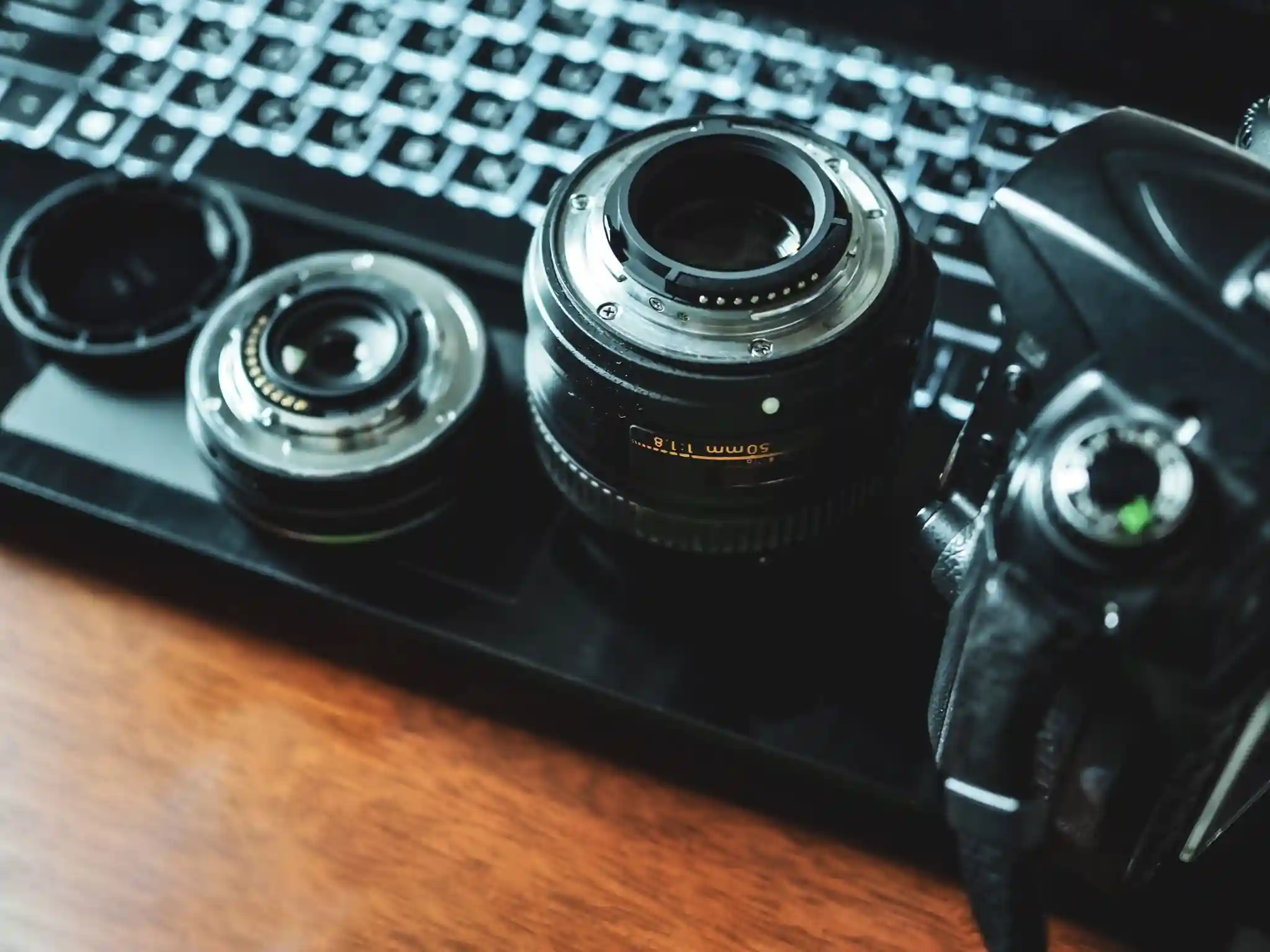
Choosing the right camera and lens is crucial for fine art photography. Beyond knowing exposure and composition, photographers must consider how gear affects creative possibilities. The right setup enhances image quality, sharpness, and depth, allowing photographers to produce work worthy of galleries or high-end prints. For those beyond the beginner stage, selecting cameras and lenses requires strategic thinking. It involves matching technical capabilities with artistic goals while avoiding common pitfalls that can hinder image quality or workflow efficiency. This guide focuses on advanced considerations, experience-based insights, and problem-solving strategies for professional fine art photographers.
Key Considerations for Fine Art Photography Gear
Not all cameras and lenses are equally suited for fine art photography. Experts evaluate gear based on sensor performance, lens quality, and workflow efficiency. Choosing wisely ensures each shot meets professional standards and supports creative intent.
Sensor Type and Resolution
Sensor size directly affects image quality, dynamic range, and depth of field. Full-frame sensors capture more detail and provide better tonal transitions, which are essential for gallery prints. Medium format sensors deliver exceptional resolution and color depth, ideal for fine art applications. While megapixels matter, higher resolution is only beneficial when paired with quality lenses and stable shooting conditions. Noise performance in low light also becomes a critical factor, particularly for indoor or studio work.
Lens Compatibility and Quality
Lens selection impacts sharpness, distortion, bokeh, and perspective. Prime lenses often deliver superior clarity and wider apertures, making them ideal for portrait and still life photography. Zoom lenses offer flexibility for composition but may compromise sharpness at the extremes. Choosing lenses that complement the camera body and suit the photographer’s style is essential for achieving consistent, professional results.
Workflow and Ergonomics
Ergonomics affects the shooting experience and efficiency. A camera that feels intuitive and comfortable allows for longer sessions without fatigue. Consider handling, menu navigation, and weight. Professional photographers often spend hours composing shots, so usability impacts both creativity and productivity. Workflow also involves file handling, tethered shooting, and compatibility with editing software, which must be factored into gear decisions.
Common Mistakes After the Beginner Stage
Even photographers with solid fundamentals often make errors when upgrading equipment. Recognizing these mistakes helps avoid wasted investment and suboptimal results.
Overemphasis on Megapixels
Many photographers assume that more megapixels automatically produce better images. While resolution matters for large prints, other factors like sensor quality, lens sharpness, and lighting play a larger role in fine art photography. Focusing solely on megapixels can lead to expensive gear that doesn’t significantly improve outcomes.
Choosing Lenses Without Purpose
Collecting lenses without considering their intended use is a frequent mistake. Not all lenses suit every style or subject. A macro lens may be unnecessary for landscape work, while a wide-angle may distort portrait proportions. Planning lens purchases around creative goals ensures that each investment enhances the photographer’s ability to capture their vision.
Ignoring Ergonomics and Handling
High-end cameras often come with complex menus and heavy bodies. Photographers sometimes underestimate how handling affects composition, stability, and efficiency. Ergonomically challenging gear can result in missed shots or fatigue during long sessions. Testing cameras before purchase and considering weight and balance is crucial for a practical workflow.
Professional Cameras Ideal for Fine Art Photography
Advanced photographers benefit from selecting cameras that offer precision, reliability, and versatility.
Full-Frame DSLRs and Mirrorless Cameras
Full-frame DSLRs and mirrorless cameras remain popular for fine art photography. They provide excellent dynamic range, high-resolution sensors, and wide lens compatibility. Mirrorless systems often offer faster live view, silent shooting, and compact design. Brands like Canon, Nikon, and Sony offer models that balance performance with workflow efficiency. These cameras excel in low-light environments, capturing subtle details without introducing excessive noise.
Medium Format Cameras
Medium format cameras are ideal for photographers aiming for ultra-high resolution and exceptional color depth. They produce images with incredible detail and tonal range, perfect for gallery-quality prints. The main trade-offs are cost, size, and slower operation compared to full-frame cameras. Medium format systems are best suited for controlled environments where precision outweighs portability.
Specialized Cameras
Certain projects require specialized cameras, such as large-format or hybrid systems. Large-format cameras are excellent for architectural or product photography, offering precise perspective control. Hybrid or high-resolution compact cameras can be used creatively for still life or conceptual fine art. Choosing these cameras requires understanding the specific demands of the project and the desired level of image fidelity.
Must-Have Lenses for Fine Art Photography
Lenses often have a greater influence on image quality than camera bodies. Professional photographers select lenses that enhance sharpness, depth, and creative expression.
Prime Lenses
Prime lenses offer superior clarity and wider apertures, which are valuable for low-light conditions and controlled depth of field. Common focal lengths for fine art include 35mm, 50mm, 85mm, and 105mm. Each focal length has a distinct effect on perspective and subject emphasis. For portraits, 85mm or 105mm primes produce flattering compression, while 35mm or 50mm work well for environmental or still life compositions.
Zoom Lenses
Zoom lenses provide flexibility and convenience, allowing quick adjustments without changing positions. Professional zooms maintain high optical quality, but some compromise sharpness at extreme focal lengths. They are ideal for photographers who need versatility during dynamic shoots or when working in constrained spaces.
Specialty Lenses
Tilt-shift lenses allow precise perspective control, ideal for architectural or conceptual fine art. Macro lenses capture intricate details and textures, enhancing abstract or botanical projects. Creative lenses, such as fisheye or soft-focus, can also add unique artistic effects. Selecting specialty lenses should be guided by project goals rather than trend-driven choices.
Problem-Solving with Gear Selection
Advanced photographers face specific challenges that gear choice can help solve.
Low-Light and Studio Environments
Cameras with high ISO performance and lenses with wide apertures excel in low-light conditions. Studio work benefits from cameras with tethered shooting and consistent color reproduction. Combining the right camera and lens ensures accurate exposure, minimal noise, and sharp detail.
Color Accuracy and Post-Processing Needs
Fine art images often require precise color fidelity for printing. Cameras with wide color gamut sensors and lenses with minimal chromatic aberration reduce post-processing correction. This allows photographers to focus on creative adjustments rather than fixing technical flaws.
Maximizing Depth of Field and Sharpness
Lens selection and aperture control are critical for achieving the desired depth of field. Professional photographers balance f-stop settings with focal length to retain subject clarity while maintaining artistic background blur. Using prime lenses or high-quality zooms ensures that critical details remain sharp, even at wide apertures.
Experience-Based Insights and Recommendations
Seasoned photographers emphasize strategy over gear accumulation. Prioritize lenses and cameras that match your workflow and style. Investing in one exceptional lens often yields better results than multiple mediocre options.
Balancing Investment and Output Quality
High-end cameras and lenses are expensive, but the best investments are those that enhance image quality and reliability. Consider the types of projects you pursue most frequently and allocate budget to gear that directly impacts results. Resale value and long-term support are also important when selecting professional equipment.
Maintaining Gear for Consistent Results
Proper care, calibration, and maintenance ensure consistent output. Cleaning lenses, checking sensor alignment, and updating firmware prevent degradation of image quality. Regular checks preserve color accuracy and sharpness, which is essential for fine art photography intended for prints or exhibitions.
Conclusion
Selecting professional cameras and lenses for fine art photography is a balance of technical capability and creative intent. Full-frame, medium format, and specialized cameras each serve distinct purposes. Lenses, whether prime, zoom, or specialty, play a critical role in sharpness, depth, and artistic control. Avoid common pitfalls like overemphasizing megapixels or acquiring lenses without a clear purpose. Strategic decisions about sensor performance, lens choice, and ergonomics optimize workflow and maximize image quality. Experienced photographers understand that the right gear is not just about specifications; it’s about enhancing creativity, ensuring consistency, and producing work that meets professional and artistic standards. By carefully considering these factors, fine art photographers can elevate their work and achieve gallery-ready results.