
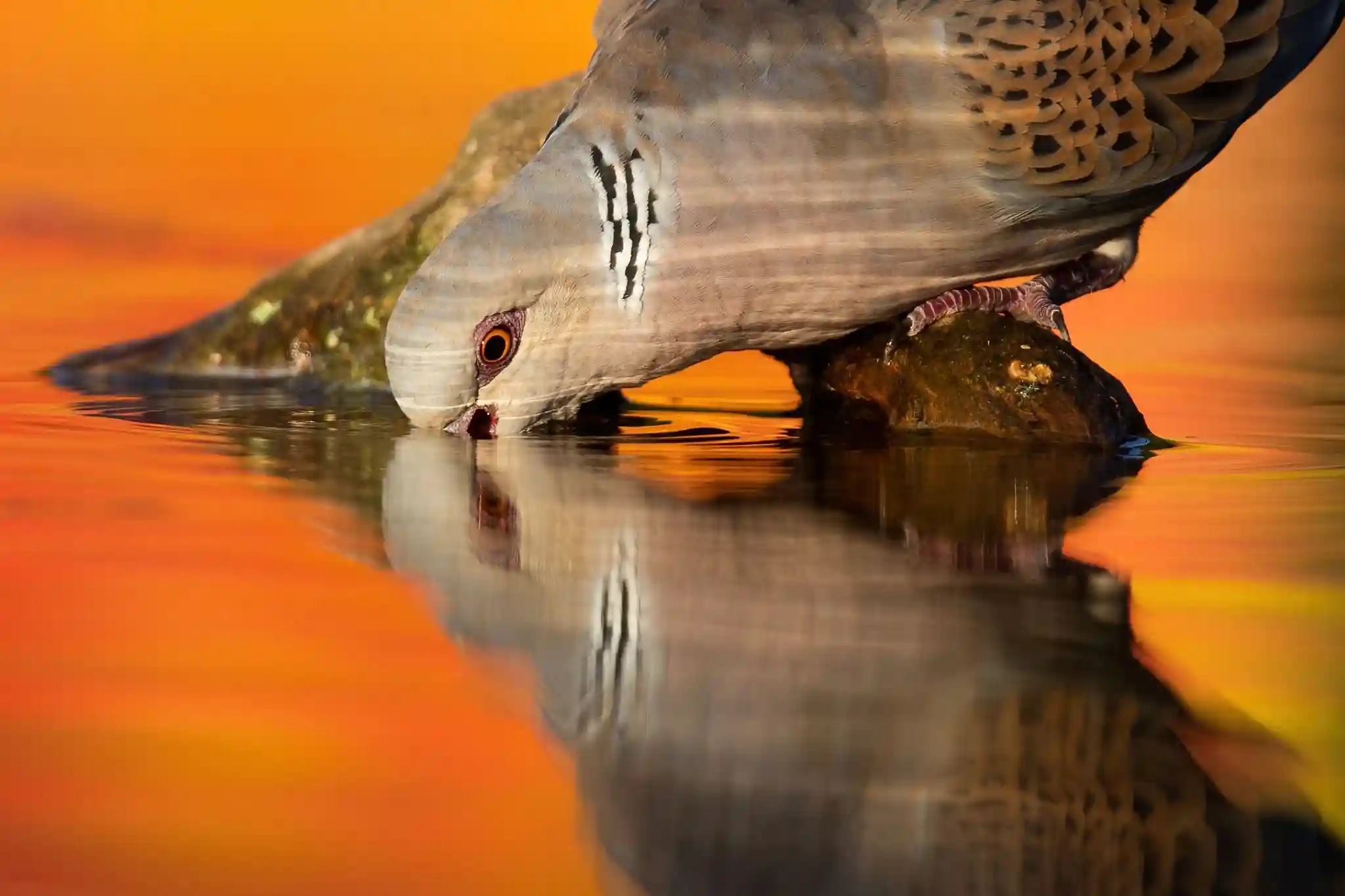
Fine art photography is more than just taking pictures. It’s about expressing ideas, emotions, and stories through visual art. This genre stands apart from others because it prioritizes intention and creativity. For those who have mastered the basics, the journey now shifts towards deeper artistic exploration. This blog will provide you with practical insights, advanced techniques, and real-world applications to elevate your fine art photography practice.
Defining Your Artistic Vision
The Role of Personal Narrative
Every photographer has a unique story to tell. Your personal experiences shape your artistic vision. Think about moments in your life that have deeply impacted you. How can these experiences translate into your photography? Consider using your narrative as a foundation for your work.
Start by journaling your thoughts and feelings about significant life events. Identify themes that resonate with you. Once you have a clear idea, brainstorm how to visually represent these themes. This approach will not only create a strong emotional connection with your audience but also help you develop a distinctive voice in your work.
Crafting a Conceptual Framework
A compelling photograph often stems from a well-defined concept. Before you start shooting, take time to develop your ideas. Ask yourself what message you want to convey. What emotions do you wish to evoke? This conceptual framework will guide your creative process.
To develop your concepts, consider using mind mapping. Write down your main idea in the center and branch out with related thoughts and visuals. This exercise can help clarify your vision and establish a cohesive theme for your project.
Essential Techniques for Fine Art Photography
Mastering Advanced Composition Techniques
Composition is crucial in fine art photography. While you may be familiar with basic rules, there are advanced techniques that can elevate your work. Explore dynamic symmetry, which involves arranging elements in a way that creates balance and tension. This technique draws the viewer’s eye to focal points naturally.
Another approach is exploring asymmetry. Instead of centering your subject, place it off to one side. This creates visual interest and can lead to more engaging photographs. Consider the use of leading lines to guide the viewer’s gaze through the image. These lines can be natural or man-made and help create a narrative within the composition.
Utilizing Light and Shadow Creatively
Light is a powerful tool in photography. Mastering its use can transform your images from ordinary to extraordinary. Experiment with different light sources, including natural light and artificial lighting setups. The direction, quality, and color of light can drastically change the mood of your photograph.
Don’t forget about shadows. They can add depth and dimension to your images. Use shadows to create dramatic effects or to highlight certain features within your composition. Try taking photos during the golden hour, shortly after sunrise or before sunset, when the light is soft and warm. This can enhance the overall aesthetic of your work.
Exploring Textures and Patterns
Textures add richness to your photographs. Pay attention to the surfaces around you. Capture the roughness of bark, the smoothness of water, or the intricate details of fabric. These elements can create a tactile quality that invites viewers to engage with your work on a deeper level.
Incorporating patterns can also create visual interest. Look for repetitive shapes or lines in your environment. These patterns can serve as a backdrop or a focal point in your composition. Combining textures and patterns can lead to striking images that captivate your audience.
The Power of Experimentation
Embracing Abstraction
Abstraction in photography allows for creative freedom. It’s about expressing emotions and ideas without relying on literal representation. Challenge yourself to capture everyday objects in abstract ways. Focus on shapes, colors, and forms rather than the subject itself.
To start, experiment with different angles and perspectives. Get close to your subject to create a sense of intimacy. Using a shallow depth of field can blur out distractions and emphasize the abstract qualities of your subject. Remember, the goal is to evoke feelings rather than convey a clear message.
Utilizing Mixed Media
Mixing photography with other art forms can lead to innovative results. Consider combining your photographs with painting, drawing, or digital manipulation. This approach allows you to express your creativity in new ways.
For example, you could print a photograph and then paint over it to add layers of meaning. Alternatively, explore digital collage techniques by integrating various visual elements. Look at artists who successfully blend media for inspiration. Their work can spark ideas and push you to experiment with your practice.
Building a Signature Style
Identifying Influences and Inspirations
Finding your artistic voice requires understanding your influences. Reflect on the photographers and artists who inspire you. Analyze their work and identify what draws you to it. Is it their use of color, composition, or subject matter?
Create a mood board that visually represents your inspirations. Gather images, colors, and textures that resonate with you. This board can serve as a reference point when developing your style. It helps maintain focus as you create and ensures your work aligns with your vision.
Consistency in Artistic Expression
While experimentation is essential, consistency is crucial for establishing a recognizable style. Maintain a coherent theme across your projects. This could involve sticking to a specific color palette, subject matter, or emotional tone.
When editing your photographs, aim for a consistent look. Whether you prefer high contrast, muted tones, or vibrant colors, find an editing style that complements your artistic voice. This consistency will create a cohesive body of work that resonates with your audience.
Navigating the Fine Art Market
Strategies for Marketing Your Work
In today’s digital age, a strong online presence is vital for artists. Start by creating a professional website that showcases your portfolio. Include an artist statement explaining your vision and process. This context helps viewers connect with your work on a deeper level.
Social media platforms are powerful tools for promoting your art. Share behind-the-scenes content, progress shots, and finished pieces. Engage with your audience by responding to comments and sharing your creative journey. Collaborating with other artists can also expand your reach and introduce you to new audiences.
Understanding Art Sales and Pricing
Pricing your fine art photography can be challenging. Research the market to understand what similar artists charge. Consider factors such as your experience, the quality of your work, and the costs of production.
When selling your art, be transparent about your pricing. Clearly outline what is included, such as prints, framing, or shipping. You can sell your work through online platforms, galleries, or art fairs. Each channel has its advantages, so explore which aligns best with your goals.
Addressing Common Challenges
Managing Expectations and Rejection
Every artist faces rejection at some point. It’s a natural part of the creative process. Instead of viewing rejection as a failure, see it as an opportunity for growth. Analyze feedback and look for constructive criticism that can help improve your work.
Set realistic expectations for yourself. Understand that building a career in fine art photography takes time and dedication. Celebrate small victories along the way. Each step forward is a part of your artistic journey.
Balancing Artistic Integrity and Commercial Viability
As you navigate the art world, you may feel pressure to cater to trends or commercial demands. Finding a balance between artistic integrity and marketability is essential. Stay true to your vision while also being open to constructive feedback.
Consider how you can incorporate commercial elements without sacrificing your artistic voice. This might involve creating a series of works that resonate with current trends while still reflecting your unique perspective. Remember, art is a personal expression, and maintaining authenticity is key.
Conclusion
Fine art photography is a journey of exploration and self-discovery. By defining your artistic vision, mastering advanced techniques, and embracing experimentation, you can elevate your work. Building a signature style and navigating the art market requires dedication and resilience. As you continue to grow in your practice, remember that each photograph is a step in your artistic journey. Embrace the challenges, learn from your experiences, and let your creativity flourish. The world of fine art photography is vast and filled with possibilities. Keep pushing the boundaries of your creativity, and let your unique voice shine through in every image you create.