Mastering basic digital art techniques is no longer just about knowing the tools. Experienced artists understand that efficiency, decision-making, and workflow management are as important as brush strokes. While the fundamentals form a foundation, applying them strategically allows for polished, professional results. This guide focuses on advanced approaches to traditional techniques, emphasizing expert judgment, optimization, and creative flexibility to elevate your digital artwork.
Understanding the Core Principles of Digital Art
Even in a digital environment, foundational principles remain crucial. Composition, color theory, perspective, and lighting are not optional; they guide technique execution and artistic decision-making. Advanced artists consider how these principles influence brush choice, layer management, and blending methods. Ignoring them often results in inconsistent results, even with perfect technical execution. Understanding these principles at a deeper level allows for intuitive problem-solving and more cohesive compositions.
Adapting Traditional Concepts Digitally
Translating traditional concepts to digital media requires careful adjustment. Line weight, shading, and color blending work differently on screens. For example, hatching or crosshatching in digital sketching may require customized brushes to mimic physical textures. Similarly, traditional layering of paint translates into the strategic use of multiple digital layers. Recognizing how digital tools alter traditional effects is essential for accurate rendering and efficient workflow.
Choosing the Right Tools and Software
Tool selection dramatically affects execution and workflow efficiency. Not all software or hardware suits every artist, and decisions impact how techniques are applied and refined.
Hardware Considerations
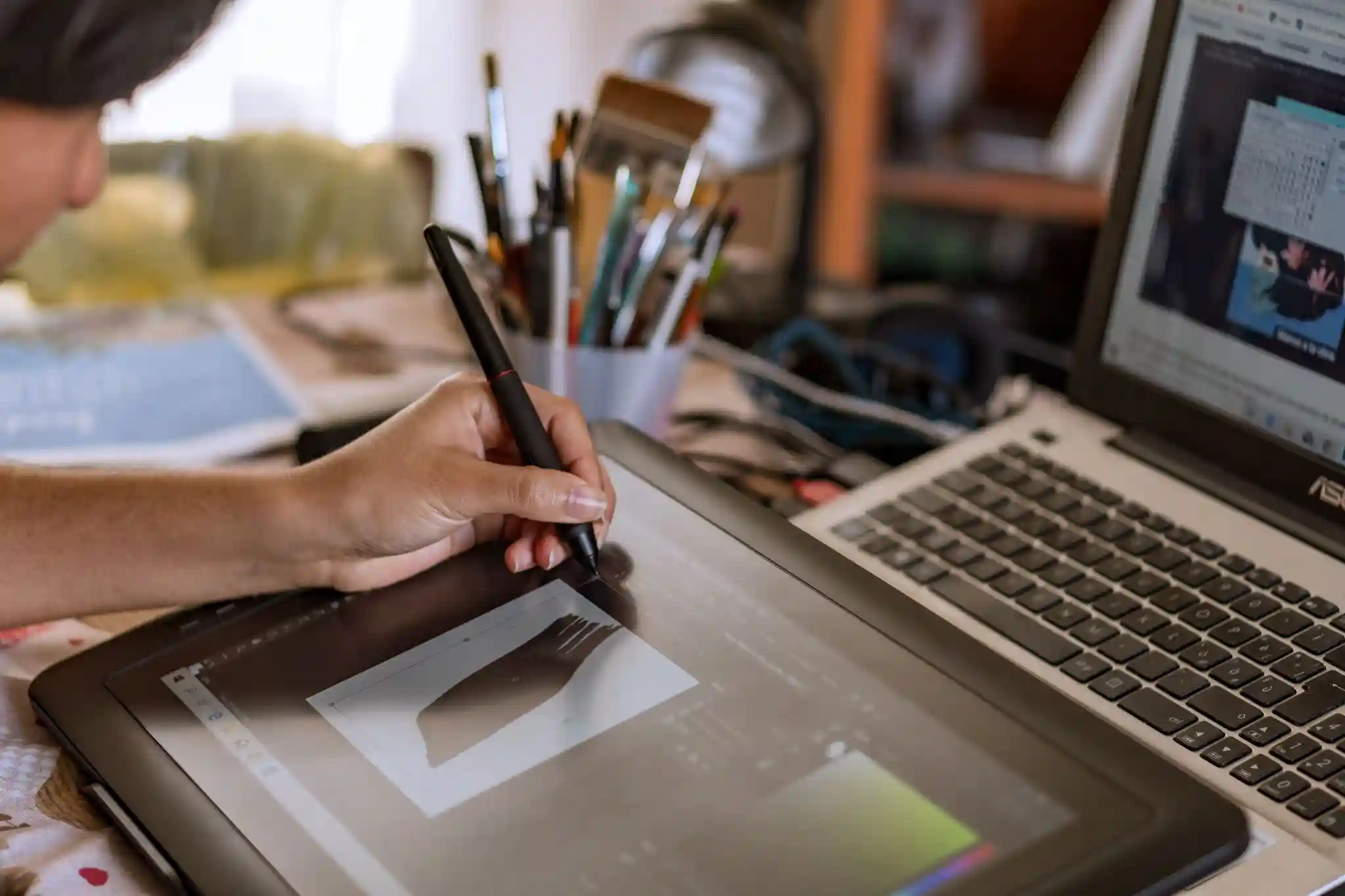
A pressure-sensitive tablet, an accurate stylus, and a high-resolution monitor are foundational for precision. Screen calibration ensures color fidelity, critical when working across multiple devices or preparing work for print. Ergonomic considerations, such as tablet size and pen responsiveness, also influence comfort and efficiency during long sessions.
Software Selection
Advanced artists evaluate programs based on brush flexibility, layer control, blending options, and plugin support. For example, Photoshop excels in precise layer management and custom brushes, while Procreate offers a fluid, intuitive workflow for sketching and concept work. Understanding the strengths and limitations of each platform allows for deliberate technique application and optimized efficiency.
Mastering Brushes, Layers, and Blending Modes
Brushes, layers, and blending modes form the backbone of digital technique execution. Mastering these elements allows control over texture, lighting, and depth.
Brush Selection and Customization
Choosing the right brush is more than aesthetics. Professionals often create or modify brushes to achieve specific textures, edge softness, or blending behavior. Custom brushes can simulate pencil strokes, watercolor washes, or textured shading. Expert artists adjust opacity, flow, and pressure sensitivity dynamically to enhance realism and style.
Layer Management
Effective layer organization is crucial for non-destructive editing. Grouping layers, using adjustment layers, and labeling elements prevent workflow chaos. Proper layer management allows for flexibility, enables quick iterations, and reduces the risk of mistakes when adjusting colors, shadows, or effects.
Effective Use of Blending Modes
Blending modes alter color interaction, lighting, and depth perception. Understanding how multiply, overlay, soft light, and other modes affect layers is essential for realistic shading, lighting, and texture integration. Strategic blending enhances results without adding extra layers or complexity.
Color Theory and Application in Digital Art
Color decisions drive composition impact and visual harmony. Beyond selecting aesthetically pleasing palettes, advanced digital artists use color to guide mood, depth, and focus.
Color Harmony and Psychology
Color theory in digital art involves more than complementary combinations. Knowledgeable artists consider contrast ratios, saturation levels, and psychological influence. For example, subtle shifts in hue can suggest depth, draw attention to focal points, or convey emotion. Choosing color schemes should always align with the artwork’s intention, not just personal preference.
Digital Tools for Color Control
Adjustment layers, gradient maps, and swatches allow precise color control. Digital artists often use clipping masks to experiment without altering underlying layers. These tools enable real-time adjustments and support efficient iteration, ensuring that color choices reinforce composition and lighting consistently across the piece.
Basic Digital Painting Techniques
Basic techniques form the building blocks of digital artwork. Mastery at this level allows for complex applications and consistent output.
Sketching and Line Art
Line quality is fundamental. Advanced artists vary pressure, speed, and stroke direction to convey weight, form, and depth. Using multiple sketch layers and iterative refinement helps produce expressive and confident line work, which forms a strong foundation for subsequent painting.
Blocking and Layered Painting
Blocking establishes large shapes and base colors before adding detail. Professionals layer colors progressively, working from midtones to highlights and shadows. This approach ensures control over value and prevents accidental overworking of details prematurely. Strategic blocking also facilitates faster adjustments and testing of composition or lighting changes.
Shading and Highlights
Depth and volume rely on controlled shading. Advanced digital artists understand light behavior and often combine soft and hard brushes with opacity adjustments to simulate realistic or stylized lighting. Highlights are applied selectively to enhance form rather than simply accentuate brightness.
Texture and Detail Integration
Texture brings realism or stylization to surfaces. Brushes, overlays, and subtle noise layers help integrate details naturally. Professionals know when to suggest texture versus overloading the composition, maintaining visual balance, and avoiding clutter.
Decision-Making in Technique Application
Technique choice should be deliberate, guided by the subject, style, and project goals. Skillful decision-making differentiates competent digital artists from exceptional ones.
Balancing Efficiency and Quality
Time management is critical in digital workflows. Professionals often simplify certain steps, such as using broad brush strokes for background areas, to focus attention on focal points. Prioritizing effort ensures efficiency without compromising the professional finish.
Adapting Techniques for Style
Techniques must be flexible to accommodate realism, semi-realism, or stylized work. For instance, a painterly approach may rely on broader blending and texture, while a comic style emphasizes line crispness and flat colors. Understanding how to adjust basic techniques for stylistic needs is essential for consistent results.
Common Pitfalls and How to Avoid Them
Even experienced digital artists encounter mistakes. Frequent errors include over-reliance on filters, flattening layers prematurely, inconsistent lighting, and ignoring composition fundamentals. Professionals mitigate these risks by maintaining non-destructive workflows, iterating on sketches, and performing mid-stage evaluations before committing to final layers. Awareness of pitfalls allows for corrective action without losing creative momentum.
Refinement and Iteration Process
Polishing digital work is a deliberate, multi-stage process. Refinement involves zoom-level checks for micro-details, assessing color balance, and reviewing the overall composition. Iteration enables experimentation with lighting, contrast, and textures, ensuring the final piece meets both aesthetic and technical goals.
Feedback Integration
Constructive critique accelerates mastery. Advanced artists seek peer or mentor feedback and apply it strategically to resolve weaknesses without compromising personal style. Integrating feedback efficiently supports faster learning and improves overall work quality.
Exporting and Preparing Work for Display
Proper export techniques maintain color accuracy, resolution, and clarity. Professionals consider output medium, whether digital display, print, or portfolio presentation. Adjusting color profiles, compressing files without quality loss, and testing across devices ensures that work retains its intended impact and fidelity.
Advanced Tips for Accelerating Skill Mastery
Mastery involves more than repetition. Combining techniques strategically, practicing with intention, and maintaining a structured workflow are key. Advanced tips include isolating challenging elements for focused practice, creating customized brushes to speed workflow, and documenting effective strategies for repeatable results. These approaches help artists move beyond basic skills toward expert-level execution.
Focused practice on difficult textures or lighting
Maintaining reference libraries for consistent results
Conclusion
Mastering basic digital art techniques is not merely about tools or tutorials. It requires strategic decision-making, efficient workflow management, and an understanding of how foundational techniques interact to create professional work. Expert judgment guides brush selection, layer management, shading, and color application, ensuring that every step contributes to a polished, intentional outcome. Iteration, feedback, and reflection transform basic techniques into consistent, high-quality artwork. By integrating these advanced strategies, digital artists elevate both their process and final results, creating work that is technically sound and visually compelling.
FAQs
1. What are the essential basic digital art techniques for advanced artists?
Key techniques include sketching, layering, shading, highlighting, and texture integration. Mastering these allows for adaptable application across styles, supporting professional-quality digital artwork efficiently.
2. How do I choose the right brushes for different digital effects?
Select brushes based on texture needs, opacity, and blending behavior. Custom brushes allow precise control, simulating traditional tools for stylistic or realistic results.
3. How important is layer management in digital art?
Layer management is critical. Organized, non-destructive layers facilitate iterative work, efficient adjustments, and seamless blending, reducing the risk of errors during complex compositions.
4. Can color theory improve my digital artwork beyond basic palettes?
Yes, advanced color decisions influence mood, contrast, and depth. Understanding harmony, psychology, and digital adjustment tools ensures a consistent, professional visual impact.
5. What workflow practices help refine digital art more efficiently?
Focus on iterative layering, targeted refinement of key areas, and feedback integration. Structured workflow minimizes wasted effort and enhances both speed and quality of results.