
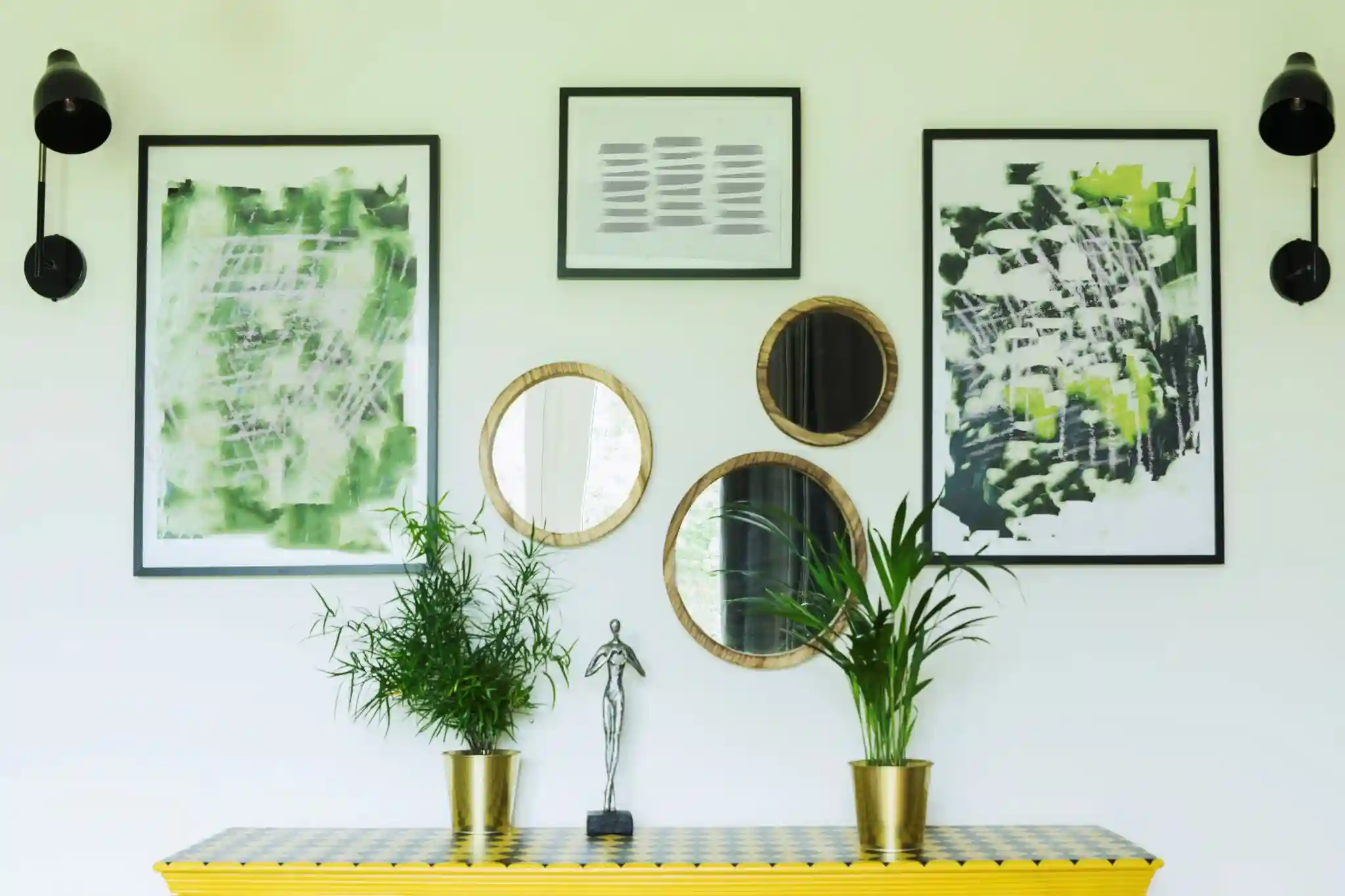
Mixing artwork and photographs on a gallery wall can transform a room. When done well, it reflects personal style, creates visual interest, and tells a story. It’s more than decorating; it’s curating a collection that feels intentional. Experienced decorators and art enthusiasts know that the challenge lies in balancing diversity with cohesion. Without planning, mixed media can feel chaotic. Strategic choices in layout, color, framing, and spacing make all the difference. This guide offers advanced strategies to craft a gallery wall that is both stylish and personal.
Understanding the Aesthetic Balance of Art and Photos
The key to a successful mixed gallery wall is balance. Art and photos have different visual weights, textures, and color dynamics. Combining them requires intentionality. Too many large pieces can dominate, while mismatched styles can clash. Advanced curation ensures every piece complements the others.
Psychological and Visual Impact
Gallery walls influence how a space feels. Art may evoke emotion, while photographs add narrative and intimacy. Together, they can energize a room, provide warmth, or create focus. Considering psychological effects when choosing pieces ensures a wall that enhances the room’s atmosphere. Visual weight, color intensity, and subject matter all contribute to the overall experience. Careful planning prevents the wall from appearing cluttered or disjointed.
Selecting the Right Pieces for a Mixed Gallery Wall
Choosing what to display is as important as arranging it. Each piece should serve a purpose, whether it’s color, theme, or sentiment. Personal photos bring identity, while art adds sophistication. Selecting a mix that resonates personally yet feels curated is essential.
Harmonizing Colors and Styles
Color unifies a gallery wall. Even with different media, repeating one or two key tones ties the collection together. Neutral frames or subtle accent colors can create cohesion without reducing individuality. Similarly, selecting art with complementary styles, whether minimalistic, abstract, or illustrative, ensures the wall feels intentional. Avoid clashing patterns unless the goal is an eclectic, bold statement.
Establishing a Theme or Narrative
A unifying theme or story helps guide curation. It could be chronological, showcasing memories and milestones. Or it could focus on a subject matter, like nature, travel, or family. Even abstract concepts, like a mood or color story, can create cohesion. Establishing a narrative ensures the wall feels purposeful, not random. Each piece should contribute to the story while retaining its individual identity.
Planning Layout and Composition
Layout is crucial when combining art and photos. The arrangement affects how the viewer experiences the wall and the room. Advanced planning ensures balance, hierarchy, and flow.
Scale, Proportion, and Hierarchy
Varying sizes prevent monotony. Large pieces can anchor the display, while smaller works add rhythm and movement. Portrait and landscape orientations should be balanced, with attention to eye level and focal points. Hierarchy guides the viewer naturally across the wall, ensuring important pieces stand out without overwhelming the space.
Grid, Salon, and Asymmetrical Layouts
Grids offer a formal, structured look. They work well when frames are uniform in size or color. Salon-style arrangements feel eclectic and rich, layering art and photos in a seemingly casual but deliberate way. Asymmetrical layouts are dynamic and modern, allowing larger pieces to anchor smaller ones organically. Choosing the right layout depends on wall size, room function, and personal style.
Framing Strategies for Cohesion
Frames unify diverse artwork and photographs. They transform a collection of individual pieces into a cohesive gallery wall. Frame selection can elevate the wall’s sophistication and ensure longevity.
Matching vs. Contrasting Frames
Uniform frames provide instant cohesion, especially with varied art styles. Contrasting frames add personality and depth but require careful selection. Using subtle finishes or color repetition across frames helps maintain harmony, even when mixing styles.
Matting and Layering Considerations
Matting creates breathing space and highlights individual pieces. Layering frames slightly or offsetting them adds dimension and visual interest. These techniques prevent the wall from feeling flat and ensure that each piece stands out while contributing to the collective design.
Integrating Personal Touches Without Overcrowding
Adding personal photos or small objects makes the wall uniquely yours. However, overloading it can overwhelm the eye. Strategic integration is key.
Decorative Elements and Accessories
Small shelves, mirrors, or sculptural accents can complement the wall. Objects should echo the color palette or theme. When done subtly, they enhance the display without competing with the artwork.
Maintaining Negative Space
Spacing is critical. Negative space allows each piece to breathe and ensures clarity. Without it, the gallery wall risks looking chaotic. Consistent spacing or intentional gaps create rhythm and focus, giving the wall a curated, professional feel.
Lighting and Display Considerations
Lighting elevates a gallery wall. Proper illumination ensures colors pop, textures are visible, and each piece is appreciated. Track lights, adjustable spotlights, or natural light sources work well. Avoid glare on glass and maintain consistent light levels to highlight the collection evenly. Lighting can also create depth, casting soft shadows and emphasizing layered arrangements. Strategic lighting turns a simple gallery wall into a dynamic centerpiece.
Updating and Refreshing Your Mixed Gallery Wall
Gallery walls should evolve with your taste and memories. Rotating art, adding new photographs, or replacing frames keeps the display fresh. Updating pieces seasonally or when new favorites are acquired allows the wall to reflect ongoing personal and aesthetic growth. This practice also prevents the collection from feeling static or dated. Maintaining balance during updates ensures that new pieces integrate seamlessly without disrupting cohesion.
Expert Tips for Polished Mixed Gallery Walls
Professional decorators often rely on subtle tricks to refine gallery walls. Prioritize focal points and anchor pieces to create structure. Repeating elements like frame color, matting, or a recurring accent color can unify even the most eclectic mixes. Experiment with layering and depth to create interest but maintain visual rhythm. Always step back periodically to assess the arrangement from different angles. This allows you to identify imbalance or overcrowding before final placement.
Consider starting with a central piece and building outward. Align edges selectively to create flow, and use larger works as anchors to prevent the wall from feeling fragmented. Trust your eye and adjust pieces gradually rather than forcing a rigid layout. Strategic trial and error often yields the most organic and visually satisfying results.
Conclusion
Mixing art and photos in a single gallery wall combines personal storytelling with visual sophistication. Successful walls balance scale, color, and style while creating cohesion through frames, mats, and layout. Thoughtful integration of personal photos or decorative elements adds depth and identity. Lighting and negative space further enhance visual impact, while periodic updates keep the display dynamic and reflective of evolving tastes. With careful curation and strategic planning, a mixed gallery wall becomes more than decoration; it transforms a room into a personal, stylish, and compelling space that communicates who you are and what you value.