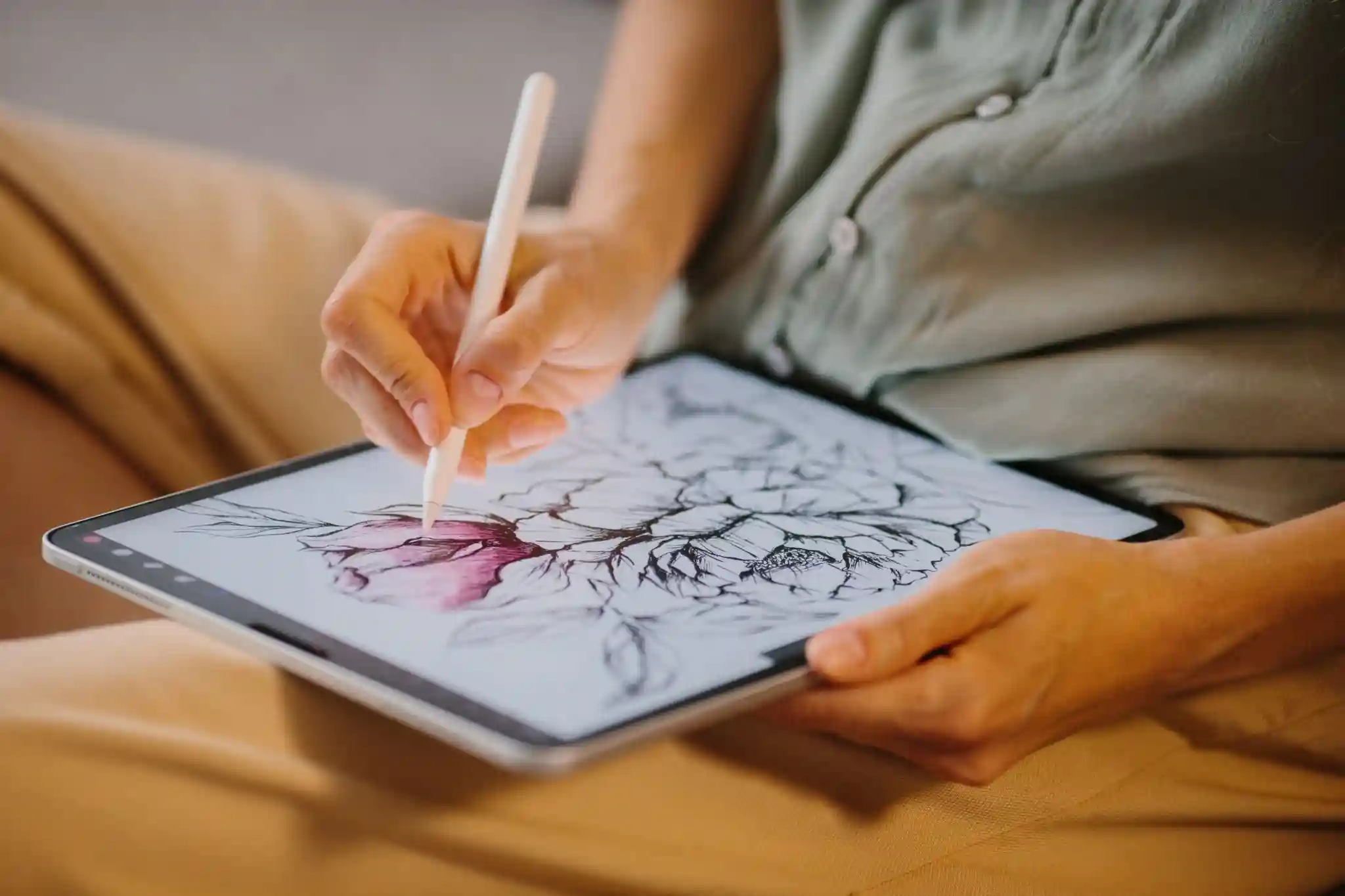
The world of digital art is constantly evolving. As technology advances, so do the techniques artists use to express their creativity. In 2026, we expect to see exciting developments that will reshape how we create and experience digital art. This article explores the top professional digital art techniques to watch this year. We’ll provide expert insights and decision-making factors that can help artists navigate this dynamic landscape.
The Rise of AI in Digital Art Creation
Artificial Intelligence (AI) is becoming an integral part of the digital art scene. Artists are increasingly leveraging AI tools to enhance their creativity and streamline their workflows.
AI can assist in generating ideas, automating repetitive tasks, and even creating art itself. Tools like DALL-E and Midjourney allow artists to produce visuals based on textual prompts. This capability opens new avenues for exploration and experimentation. However, artists must make informed decisions about using these tools.
Generative Art and AI Algorithms
Generative art is a fascinating area where algorithms create artwork based on predefined parameters. Artists set the rules, and the AI does the rest. This collaboration can lead to unique and unexpected results.
As an artist, consider how generative art can complement your style. Experiment with different algorithms to see how they can enhance your creativity. The key is to maintain your artistic voice while exploring new possibilities.
Ethical Considerations in AI Art
While AI offers exciting prospects, it also raises ethical questions. Issues around copyright and originality are paramount. If an AI generates artwork, who owns it? Artists must navigate these complexities carefully.
Staying informed about the legal landscape surrounding AI art is crucial. As more artists embrace these technologies, discussions about ethics and ownership will continue to evolve. Establishing clear guidelines can help maintain the integrity of the creative process.
Enhanced Virtual Reality (VR) and Augmented Reality (AR) Techniques
Virtual Reality (VR) and Augmented Reality (AR) are transforming how we create and engage with digital art. These technologies provide immersive experiences that captivate audiences.
In 2026, we expect to see even more innovative applications of VR and AR in the art world. Artists can create interactive installations that allow viewers to explore their work in new ways.
Creating Interactive Art Installations
Interactive art installations are gaining popularity. They invite viewers to engage with the artwork, making the experience more personal and memorable.
For example, artists can use VR to create fully immersive environments. Viewers can step into these worlds and interact with the art on a deeper level. This approach not only enhances the viewing experience but also fosters a connection between the artist and the audience.
Tools and Platforms for VR/AR Art
As the technology behind VR and AR improves, so do the tools available for artists. Programs like Unity and Unreal Engine enable artists to create stunning 3D environments. These platforms provide the flexibility needed to bring creative visions to life.
When choosing tools for VR and AR art, consider your project goals. Look for software that aligns with your artistic style and offers the features you need. Experimenting with different platforms can help you find the best fit for your projects.
Advanced 3D Modeling Techniques
3D modeling is another area poised for growth in 2026. As industries like gaming, film, and advertising continue to expand, the demand for high-quality 3D art increases. Artists must stay updated on the latest 3D modeling techniques to remain competitive. Understanding how to create realistic models and animations is essential for success in this field.
Real-Time 3D Rendering
Real-time rendering technology is revolutionizing how we create 3D art. This approach allows artists to see changes instantly, making the creative process more efficient. Software like Blender and Cinema 4D offers powerful rendering capabilities. These programs enable artists to produce high-quality work without lengthy rendering times. As you explore real-time rendering, consider how it can enhance your workflow.
Integration of 3D Art with Traditional Media
Combining 3D art with traditional media can lead to exciting results. Many artists are blending digital and physical techniques to create unique pieces. For example, you can print 3D models and incorporate them into traditional paintings or sculptures.
This integration allows for greater creativity and experimentation. As you explore these mixed-media approaches, think about how they can enrich your artistic practice. The goal is to push boundaries and discover new ways to express your ideas.
The Evolution of Digital Painting Techniques
Digital painting continues to evolve. In 2026, we can expect to see new tools and techniques that enhance the digital painting experience. Adapting traditional methods to digital platforms is essential for artists looking to grow.
Hybrid Techniques and Styles
Hybrid techniques are gaining traction in the art community. These styles combine elements from various artistic traditions, allowing artists to develop a unique voice. Experimenting with hybrid techniques can lead to exciting discoveries. Don’t be afraid to mix different styles or methods. The key is to find what resonates with you and your audience.
Innovative Brush Technology
Brush technology is advancing rapidly. New brushes are being developed that mimic traditional media more accurately. These innovations allow artists to create stunning textures and effects. When selecting brushes, consider how they can enhance your artwork. Experiment with different options to find what works best for your style. Using the right tools can elevate your digital painting to new heights.
Sustainability in Digital Art Practices
As environmental concerns grow, sustainability is becoming a priority in the art community. Artists are increasingly seeking eco-friendly practices in their work. In 2026, we expect to see more artists embracing sustainable digital art practices. This shift reflects a broader commitment to environmental responsibility.
Digital Tools for Sustainable Art
Several software and platforms promote sustainable art practices. These tools help artists reduce their carbon footprint while creating. For example, digital art eliminates the need for physical materials, reducing waste. As you explore sustainability in your work, consider how your choices impact the environment. Look for tools that align with your values and support eco-friendly practices.
Collaborations and Community Initiatives
Collaborating with other artists on sustainability-focused projects can amplify your impact. Many communities are working together to promote eco-friendly practices in the art world. Engaging in these initiatives can foster a sense of belonging and shared purpose. Consider joining local or online art groups that prioritize sustainability. Together, you can create meaningful change in the industry.
Conclusion
As we look ahead to 2026, several digital art techniques stand out. From the rise of AI to advancements in VR and AR, the landscape is rich with opportunities. Staying informed and adaptable is key for artists navigating this evolving world. Embrace new tools, experiment with different techniques, and continue to refine your skills. The journey of a digital artist is one of constant learning and growth. As you explore these emerging techniques, allow your creativity to flourish. The future of digital art is bright, and you have the power to shape it. Whether you’re a seasoned professional or just starting, 2026 promises to be an exciting year for digital art. Embrace the changes, and let your artistic journey unfold.