
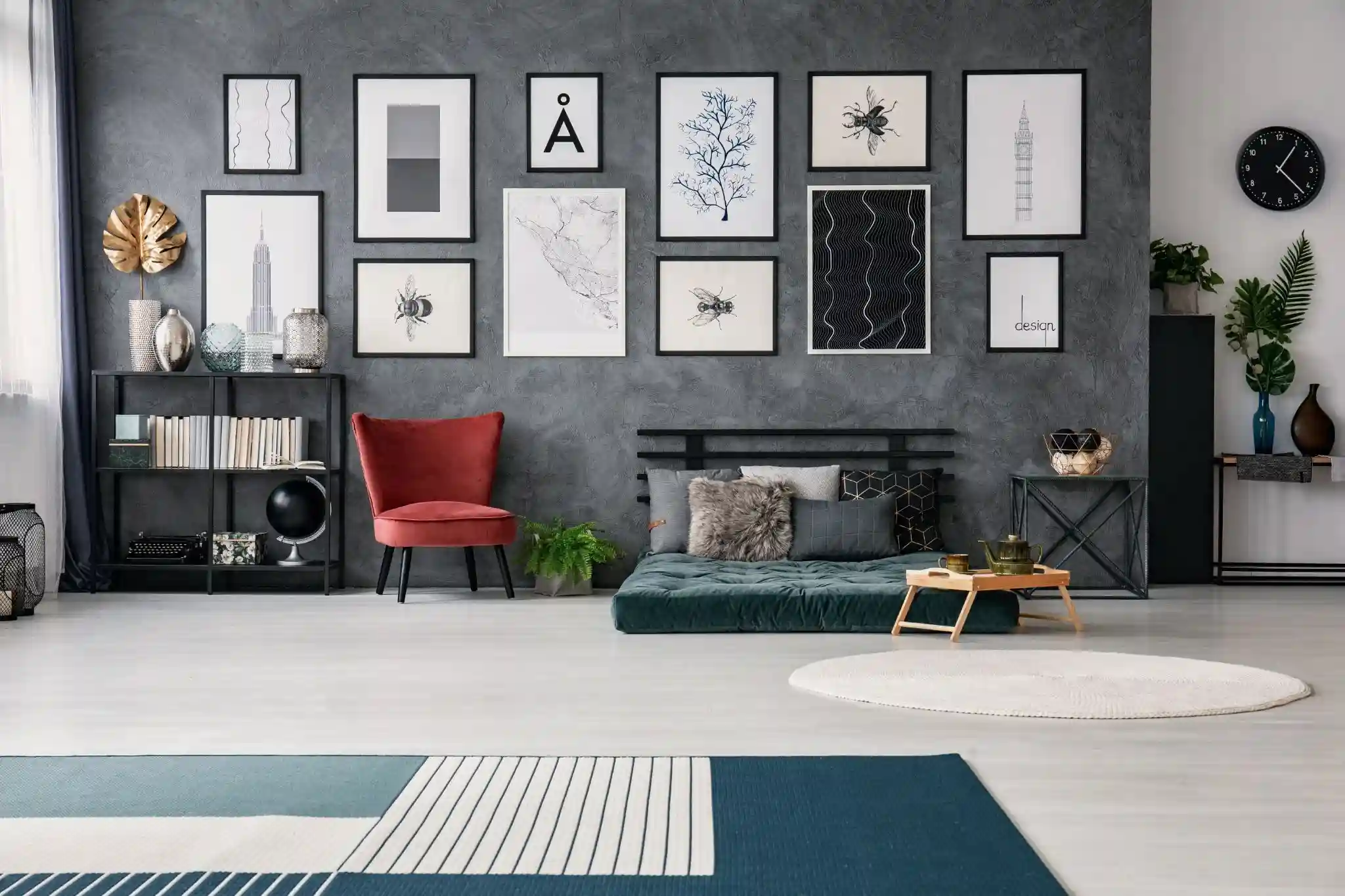
Gallery walls are one of the most impactful ways to personalize your home. They are more than decoration; they are curated statements of style, taste, and memory. For those with an eye for design, gallery walls allow you to combine art, photographs, and personal pieces into a single, cohesive display. They turn blank walls into dynamic focal points that speak to your personality. The beauty lies in the flexibility and creativity. You can design them for any space, any style, and any story you want to tell.
Understanding the Appeal of Gallery Walls
Gallery walls draw attention immediately, creating interest and depth in any room. They break the monotony of plain walls while giving the space a curated, professional feel. Beyond aesthetics, they serve as visual storytelling tools. Each piece reflects your personality, memories, or inspirations. A gallery wall can express your artistic taste, family history, or travel experiences. This makes your home feel genuinely lived-in and personalized, rather than just decorated.
Emotional and Psychological Impact
Curated art arrangements influence mood and atmosphere. Seeing favorite artworks or meaningful photos daily can evoke positive emotions. Colors, shapes, and compositions also subtly affect how a space feels. Gallery walls give rooms energy, warmth, and a sense of identity. They can make even minimalist or modern interiors feel inviting and vibrant without overcrowding the space.
Artistic Versatility and Flexibility
One of the biggest advantages of gallery walls is their versatility. You can mix paintings, prints, photographs, and even decorative objects. Over time, you can swap or add pieces as your taste evolves. This flexibility allows your gallery to grow with you. It also means that even if trends change, your wall can remain timeless and relevant.
Planning a Gallery Wall for Maximum Impact
Creating a gallery wall requires more than just hanging pieces randomly. Strategic planning ensures that the wall complements the room and maximizes its visual impact. Understanding balance, scale, and arrangement is key to a polished result.
Choosing the Right Wall and Space
Selecting the ideal wall is essential. Consider high-traffic areas or walls that naturally draw the eye, like over a sofa or in an entryway. Lighting matters as well; walls with natural light or adjustable spotlights allow artwork to shine. Avoid walls that are cluttered or too small, as they can make even well-planned arrangements feel cramped.
Curating Art and Personal Pieces
Curation is about selecting pieces that speak to you while maintaining harmony. Mix mediums and frame styles to add visual interest, but keep a sense of cohesion through color or theme. Personal photos, travel prints, and unique finds can be interwoven with traditional art to make the wall truly yours. The key is balancing personal expression with visual flow.
Layout and Composition Strategies
Professional designers often use grids, salon-style arrangements, or asymmetrical layering. Grids create a clean, formal look. Salon-style walls feel eclectic and rich. Negative space is as important as the pieces themselves. Leaving room between artworks ensures each piece can breathe and be appreciated individually while still contributing to the overall composition.
Framing and Presentation Techniques
The right frame can elevate a gallery wall from simple to sophisticated. Frames serve both protective and aesthetic purposes. They unify a diverse collection while enhancing each artwork.
Selecting Frames That Complement Art
Choose frames that enhance the style and color of your artwork without competing with it. Neutral frames work for eclectic walls, while black or white frames provide a modern, uniform look. For more texture, wooden or metallic frames can add warmth or shine. Professional framing ensures your pieces last while adding an extra layer of style to the wall.
Matting and Layering Approaches
Matting adds depth and allows artwork to stand out. Even small mat borders can create a visual buffer, giving the eye a place to rest. Layering frames with different depths or slight overlaps can add dimension and intrigue. These subtle adjustments give a gallery wall a curated, intentional feel rather than a haphazard appearance.
Color, Theme, and Cohesion in Gallery Walls
Cohesion is crucial to prevent gallery walls from looking chaotic. Thoughtful color palettes and themes ensure harmony while allowing personality to shine.
Establishing a Color Palette
A consistent color palette ties together different artworks. Choose colors that complement the room’s décor. Neutral tones can create elegance, while brighter hues energize the space. Even in eclectic walls, repeating one or two colors across pieces creates a sense of unity and flow.
Thematic Integration
Themes guide curation and help the wall feel intentional. A travel theme can combine maps, photographs, and cultural prints. A family theme may integrate portraits and keepsakes. Consistency in subject matter or tone ensures the wall feels cohesive while still reflecting personal style.
Balancing Scale and Proportion
Size and proportion are as important as content. Uneven sizing can create imbalance and visual clutter, while thoughtful scaling enhances impact.
Using Negative Space Effectively
Spacing between pieces allows the wall to feel intentional. Too tight and it looks crowded; too loose and it feels disconnected. Maintaining even or calculated spacing ensures the eye moves comfortably across the wall. Negative space also highlights focal pieces, giving them prominence without overshadowing the collection.
Creating Visual Flow
Arrange pieces to guide the viewer naturally. Larger, bold pieces can anchor the wall, with smaller works radiating around them. Varying orientation, portrait versus landscape, adds rhythm. A well-planned visual flow keeps the wall interesting and dynamic rather than static.
Styling Beyond the Art: Accessories and Decor
Gallery walls are not limited to frames. Thoughtful integration of objects and lighting enhances the overall display.
Lighting Considerations
Lighting highlights and dramatizes your wall. Track lights or adjustable spotlights ensure each piece receives attention. Natural light can be complemented with soft ambient sources to create warmth. Proper lighting brings out colors and textures, making your gallery wall a living part of the room.
Integrating Non-Art Elements
Decorative objects, small shelves, or mirrors can add interest without overpowering the artwork. These elements reinforce the curated feel and allow for tactile depth. Choosing objects with complementary colors or finishes keeps the focus on the art while adding personality.
Adapting Gallery Walls to Different Spaces
Gallery walls can enhance nearly any area of the home, but strategies vary based on space size and function.
Small Spaces and Challenging Walls
In apartments or narrow hallways, vertical arrangements elongate the wall, while horizontal groupings can make a room feel wider. Using consistent frames or a single theme prevents the wall from feeling cluttered.
Large Walls and Open Spaces
Expansive walls benefit from bold compositions and larger pieces. A mix of large and small works ensures visual interest. Anchoring central pieces and radiating smaller artworks around them helps fill space without overwhelming it.
Maintaining and Updating Gallery Walls
Gallery walls should evolve. Rotating artwork keeps the display fresh and reflects changing tastes or seasonal décor.
Art Rotation and Refresh
Swapping pieces allows for experimentation without rebuilding the entire wall. Introducing new textures, colors, or styles keeps the wall engaging and relevant.
Cleaning and Preservation
Frames, glass, and prints require care. Dust regularly, and avoid direct sunlight to prevent fading. Professional framing with UV-protective glass ensures longevity while maintaining aesthetic appeal.
Expert Tips for Personalized Gallery Walls
Professional decorators emphasize balance, coherence, and subtlety. Too much variation can feel chaotic, while too little can be uninspiring. Layering, texture, and depth elevate a wall from simple to striking. Using a mix of personal and artistic pieces keeps the display authentic.
Expressing Personality Without Overcrowding
Select pieces that resonate personally but maintain a clean composition. Prioritize quality over quantity, ensuring each piece adds value to the overall aesthetic.
Leveraging Texture and Depth
Incorporate 3D elements, mixed media, or small sculptures to create dimension. Layering frames or slightly offsetting pieces adds visual interest without clutter. Texture adds tactile appeal and sophistication, especially on walls that serve as focal points in a room.
Conclusion
Gallery walls are powerful tools for personal expression and interior design. They turn blank spaces into curated focal points that tell stories, reflect taste, and elevate style. A thoughtfully planned gallery wall balances color, scale, theme, and texture to create harmony while allowing personal elements to shine. From lighting to framing, from layout to object integration, every decision shapes the overall impact. Maintaining and evolving your wall ensures it remains dynamic and engaging. When done well, gallery walls make any home feel uniquely yours, stylish, welcoming, and full of personality.